Friday, December 1

Singaporean and Japanese colloboration anime effort


SINGAPORE, November 30: The trailer for Justeen, an anime series co-produced by Singapore’s Nanyang Technological University (NTU) and the Japanese animation studio Anime International Company (AIC), premiered at the Asia TV Forum this week.

Full article

My country still floundering producing sub standard animation like Keluang Man and Ujang, whereas Singapore is going in leaps, now having a joint venture with Japanese company in making anime!

Malaysia! Wake up!!!!!!

When are we going to shine in animation? Is not that we don't have any talents! What is going on here?!

Thursday, November 30

History of manga prose


Tezuka Osamu and the Expressive Techniques of Contemporary Manga

Tezuka Osamu's Debut: A Manga Prose Revolution

Manga today is flourishing on the foundations laid by Tezuka Osamu. This article will discuss that foundation in terms of expressive technique.

Foreign, and particularly European readers often describe the experience of reading Japanese manga as similar to that of watching a film. This characterization was also on the lips of the young Japanese readers who would go onto become manga artists themselves when they first read Tezuka Osamu's New Treasure Island upon its release in 1947. Postwar and contemporary manga was born with this first "cinematic" work.

Full article is here.

Another concise writing on history of manga, this time on prose. Pretty good start for beginners of manga fans. It explained and eloborate on this aspect of manga and how it featured in Japanese pop culture history and affecting the world comic reading as we know it today.

Wednesday, November 29

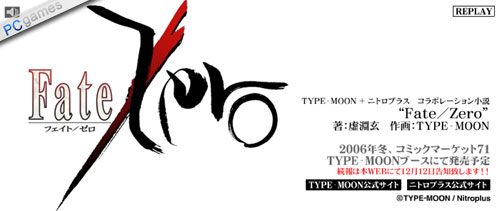
More news on Fate/Zero


Fate/Zero
Genre: Collaboration Novel
Release Date: Comiket 71 (12/29/06-12/31/06)
More information on 12/12/06

The writer that is assisting the Fate/Zero project, Urobuchi Gen, is the original founding member of Nitroplus who wrote Phantom of Inferno, Vejedgonia, and Kikokugai.

Credit: Evospace in Beast's Lair

Really sparse information so far.

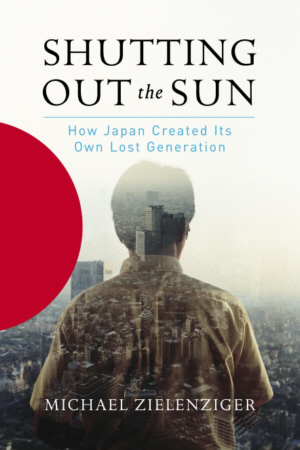
A book review on hikkikomori


Retreating Youth Become Japan's 'Lost Generation'


This is an interesting article review on book by Michael Zielenziger, talking about phenomenon known as cockroach child or hikkikomori syndrome, which become Japan's silent social problem. It has an excerpt from the book. Pretty tough to read for me actually.

Recently Welcome to NHK! is talking about this anime, it is harrowing and depressing but oh, it is so true.

An interesting article to read.


Revenge of Japanese Nerds?

This article talks about normal stuff of Japan that most of us already knew including a showcase on one cosplayer who is a dedicated fan of the genre. It has radio link too, so the article is not just text based. The writing mostly generalist, covering maid cafe, otakudom and geekdom. Nothing really new here actually.

However the cosplay is good. I quite like the details.

One day I might go to the Show just for the heck of it.

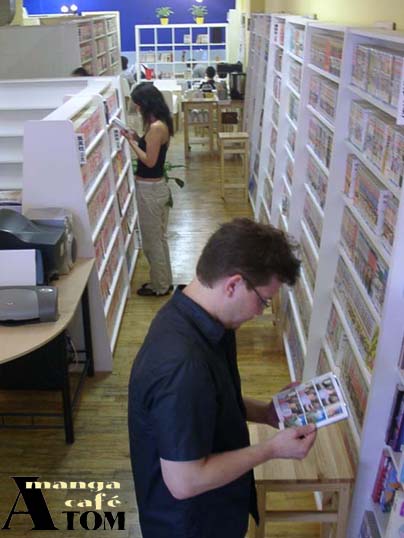
The Land of the Comic Book


Comic books have a wider following in Japan than most people would ever imagine. Nearly 40% of all printed items are in comic form. About 350 comics and 500 comic books are published every month. Twelve comics appear on a weekly basis, the most popular being Shonen Magazine, with almost four million copies distributed every week.
Reading comics is a more popular leisure activity than going to the movies or reading novels, and may even be more popular than watching television or listening to music.
Comics, called manga, provide a cheap, easy way to amuse oneself. They can offer much more. "How To" books, works of general academic interest, and other books introducing subjects like law or economics are also published in manga form. Companies may even use manga for their brochures and advertising.

Full text is here.

A generalist essay to explain why manga is more than just manga in Japan. Actually the scope is from usual manga to safety awareness campaign type of mangas, I seen it before. This kinda manga shows the dangers of problem and how to avoid it with increased awareness. This writing is like introduction of manga 101 for most newcomers to this entertainment niche.

Manga is not just a medium of entertainment in Japan, it is also a form of lighter version of instruction manual for people to follow. It is a national identity for Japan as it has hundreds of history behind it, from days of Ukiyo-e woodprints to modern manga that we all recognize today.

What is Ukiyo-e?